Theirs, in our words
#48at 50%●●●○○2× p · 46 words
A capitals subhead poses two questions, why this molecule and why at this moment. The paragraph names the pigment's animal sources and its microalgae by Latin name, and promises four things ordinary supplements cannot do.
Why it works. Return to the editor's voice and open a numbered case for the molecule. open-loopcontrastspecificity
Why it sits here, and how it is written
At 50%, straight after the story. The reader has watched results and is now given reasons to believe them. Science before the story would have been a lecture. After it, the reader wants the explanation.
The Latin name is the only technical term and buys credibility cheaply. Promising a count of four gives the reader a progress bar. The last clause leans on an intensifier.
Planned for ours, before we wrote: our own explanation in its place. Same turn, our noun: The Cell Shield, explained before it is named, natural microalgae source stated. Four headed points with the organs in the heads. c4m2
See these lines on their page ↗#49at 52%●●●○○3× p · 61 words
Point one ranks astaxanthin among the most potent antioxidants found in nature, several times vitamin C against some free radicals, and concludes that more quenching means less wear on the filtering cells.
Why it works. Establish raw strength against a vitamin the reader already takes. anchoringcontrastreason-why
Why it sits here, and how it is written
Strength comes first because it is the simplest idea and prepares the subtler point about reach. Vitamin C is the anchor because every reader owns some.
Hedged where the category usually shouts a multiple in the thousands: the comparison is left vague and qualified. Safe, and flat. The closing sentence is a tidy syllogism.
Planned for ours, before we wrote: our own explanation in its place. Our gate holds the figure: about six thousand times the singlet-oxygen quenching power of vitamin C, and about five hundred and fifty times that of vitamin E. Say which measure it is. m3r15
See these lines on their page ↗#50at 54%●●●●○3× p · 3× li · 88 words
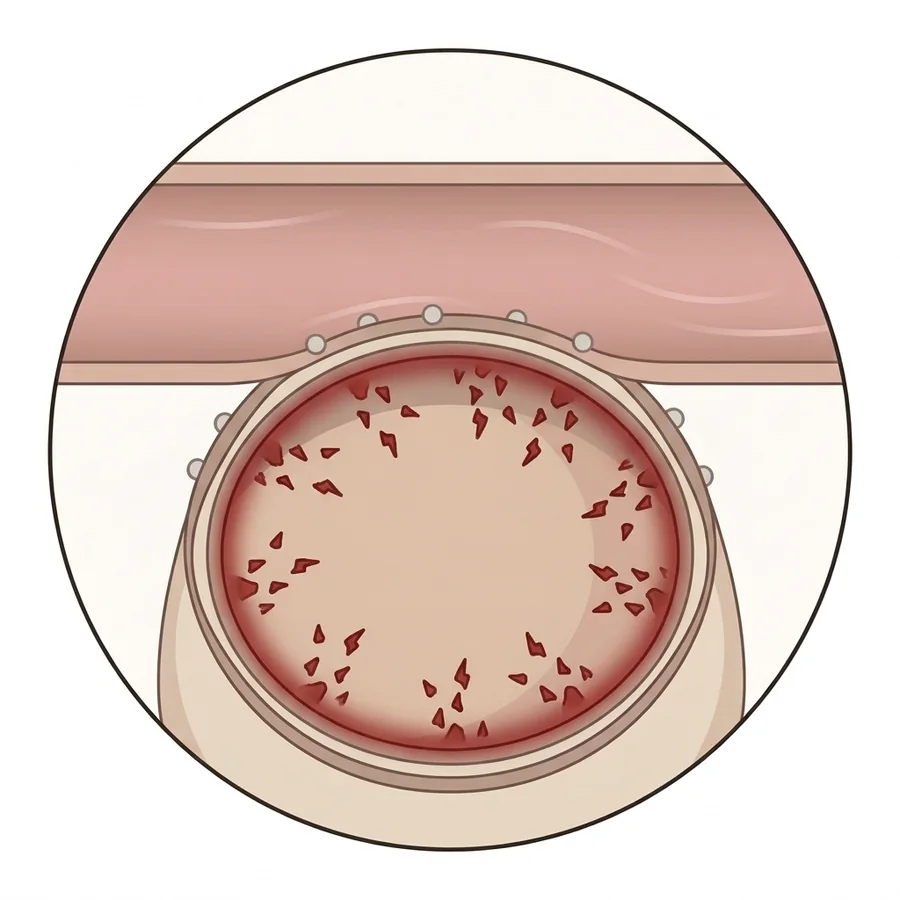
Point two: common antioxidants each guard a single zone, vitamin C the watery one and vitamin E the fatty one, while astaxanthin spans the whole membrane. Three bullets name kidney filter cells, vessel linings and cells body-wide.
Why it works. Explain the one property that separates this molecule from the vitamins on the reader's shelf. new-mechanismcontrastspecificity
Why it sits here, and how it is written
This is the core reason and it sits second, after strength, while attention is still high. It answers the daughter's earlier hint about reaching places other antioxidants miss.
The clearest teaching on the page: two known vitamins, two zones, one molecule that covers both. The bullets put kidneys first and widen to the whole body, which keeps the page from being about one organ only.
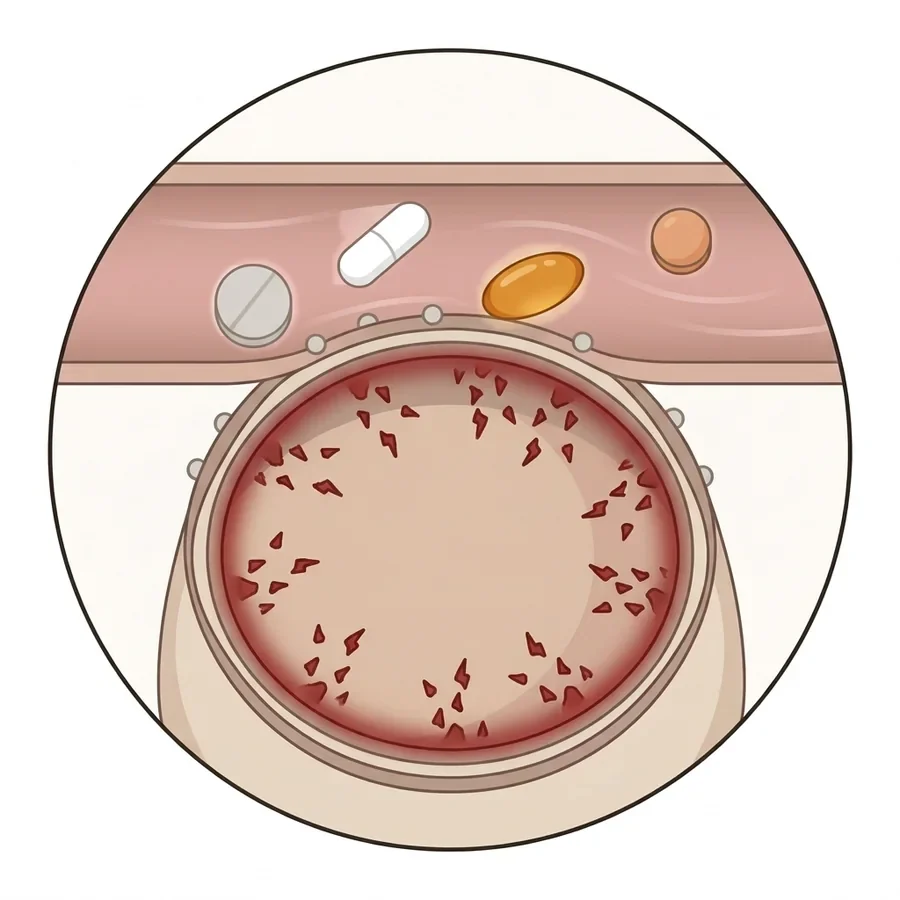
Planned for ours, before we wrote: our own explanation in its place. This is The Cell Shield itself, with the Antioxidant Blindspot beside it; both are gated. Organs listed kidneys first, then brain, eyes and joints. m2p3r5r10
See these lines on their page ↗#51at 57%●●○○○3× p · 60 words
Point three calls the kidneys blood-rich and dependent on steady flow, then says the antioxidant supports circulation and a normal inflammatory response.
Why it works. Add a second route of benefit in wording safe for a supplement. reason-why
Why it sits here, and how it is written
Third of four, the usual place for the weakest point. It widens the case from the cell to the blood supply that feeds it.
The sag. Two compliance phrases are stacked in one thirty-word sentence and every verb is abstract. Reading grade in this block is about ten, against about five in the story.
Planned for ours, before we wrote: our own explanation in its place. We hold a sharper version: it restores flow in the smallest vessels so nutrients arrive. One picture, short verbs. m5r12
See these lines on their page ↗#52at 59%●●●○○3× p · 66 words
Point four links lower oxidative load to energy through the mitochondria, glossed as the cell's engine, and says this explains the light, clear feeling the narrator named.
Why it works. Tie the science back to the story's felt results and its coined word. loop-closedreason-why
Why it sits here, and how it is written
Last of the four, so the block ends on what the reader can feel. It turns the narrator's experience into a predicted effect, which makes his story look like one case of a rule.
The callback works. The engine gloss is good plain teaching. The claim that many people use the narrator's word appeals to a crowd the page has not shown.
Planned for ours, before we wrote: our own explanation in its place. Gated: energy made inside the cell, steadier through the day, first noticed in weeks one and two. r13r7
See these lines on their page ↗